

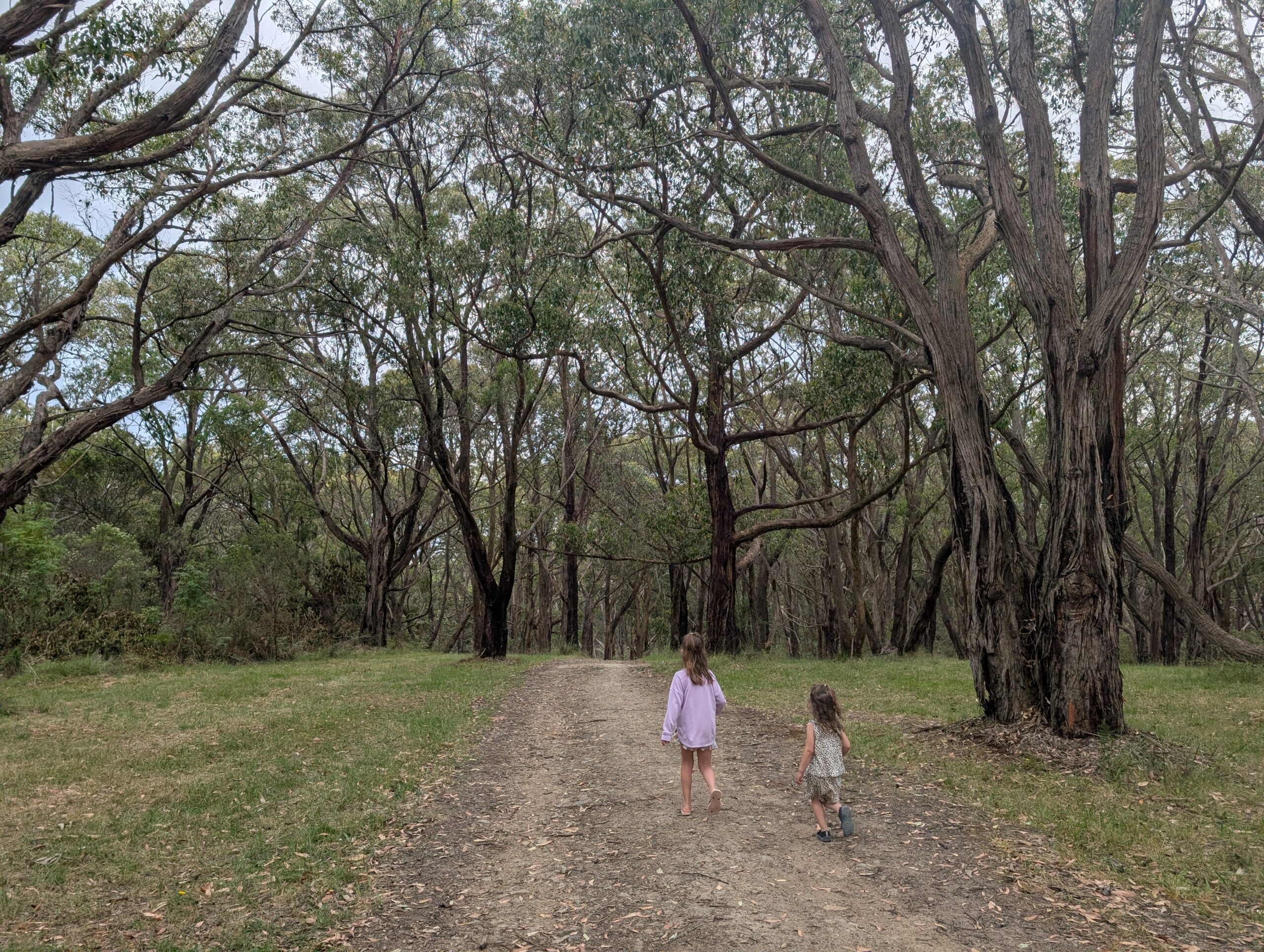





Who am I to teach my own child? I’m not a real teacher. What if I get this wrong?
If that question lives somewhere in you, I want you to know it’s the most ordinary fear in the world. Nearly every homeschooling parent I’ve met has stood exactly where you’re standing now, with the same knot in their chest. The worry isn’t a sign that you shouldn’t homeschool. More often, it’s a sign of how deeply you care about getting it right for the people you love most.
So let’s sit with the real question underneath it all: am I qualified to homeschool my own children? The honest answer is far more freeing than you might expect.
Do you need to be qualified to homeschool? Here’s the truth
A teaching qualification exists to solve a very particular problem: how to manage and instruct a room of twenty-five or thirty children who aren’t your own, on a fixed timetable, toward standardised outcomes. It’s training for an institution. A classroom is a specific kind of machine, built for scale.
Your home is not that machine.
You are not standing in front of strangers—you are walking beside one, two, perhaps three children whose moods you can read across a room, whose curiosities you’ve watched unfold since the day they arrived. You don’t need a strategy for holding the attention of thirty. You need presence with the few who are already yours.
This is why the credential question quietly misses the point. The things that make someone effective in a classroom—crowd control, pacing a lesson for the average child, steering a large group through a system—are not the things that make homeschooling work. You are being asked to do something different; you are following your child. I believe this is the most natural way to be.
What actually matters when you teach at home
If it isn’t a degree, what is it? In my experience, it comes down to a few quiet, ordinary capacities you almost certainly already have.
You already know your child
No teacher, however gifted, will ever know your child the way you do. Knowing when they’re tired before they do. Knowing what makes them light up, and what makes them shrink. You’ve been their first and most attentive teacher since before they could speak. Homeschooling isn’t the start of teaching your child—it’s a continuation of something you’ve been doing all along.
Curiosity matters more than expertise
You do not need to already know everything you’ll cover—you need to be willing to be curious alongside them. A parent who says, “I don’t know—let’s find out together,” teaches something a textbook never can: how to learn. That posture, modelled day after day, is worth more than a wall of qualifications.
You’re allowed to learn as you go
Here is a truth that takes the pressure off: nobody begins this fully formed. You will learn rhythms, resources and approaches in the doing of it, not before. Give yourself the same patience you’d give your child on their first wobbly attempt at anything. Homeschooling well is not about arriving qualified. It’s about being willing to begin, and to keep adjusting with intention, clarity and creativity.
The resources are extraordinary
You are not doing this alone, and you are not building from nothing. There has never been a richer time to educate at home—libraries, online courses, local co-ops, nature groups, mentors, and communities of parents walking the same path. Your job is not to be the single source of all knowledge. It’s to be the steady guide who connects your child to the right experiences at the right time. You are also modelling for them by your example every single moment, every single day. If you follow the lifeschooling philosophy—where life itself is the curriculum—every moment becomes a learning opportunity, an opportunity for growth.
A quick word on what’s actually required
It’s worth separating two things that often get tangled together: capability and legality. The “am I qualified” fear usually mixes them up.
In most places, homeschooling is entirely legal, and you do not need a teaching degree to do it. What does vary—sometimes a great deal—is the paperwork: whether you register, notify an authority, or keep certain records. Those requirements differ from one region to the next, so the one practical step I’d encourage is to look up the rules where you actually live before you begin. That’s a logistics question, not a measure of whether you’re enough. With clarity comes confidence.
Your first calm step this week
If all of this resonates but you still feel the pull of where do I even start, here is the gentlest possible first move—and it costs nothing.
This week, don’t buy a single thing. Don’t choose a curriculum. Instead, simply watch. Carry a notebook or a note on your phone, and write down the moments your child becomes absorbed—the questions they ask, the things they line up and sort, the worlds they build, the topics they won’t stop talking about. A week of quiet noticing will teach you more about how to begin than any curriculum.
That observation is the seed. Everything else grows from knowing who your child already is.
You’re more ready than you think.
The doubt you’re feeling isn’t a verdict. It’s the threshold that most thoughtful parents cross right before they begin living true to themselves and designing their lives on their own terms. You don’t need permission, and you don’t need a certificate hanging on the wall. You need willingness, presence, and the courage to take the next small step that’s already on your heart.
You are not unqualified. You are simply at the very beginning—and the beginning is allowed to feel uncertain. This is where growth has always started for me—in not knowing, and beginning anyway.
And if the next question that follows the doubt is but what about socialisation?—I’ve written about that too, in homeschooling and socialisation: debunking the biggest myth.
Ready for a clear place to start?
I’ve put everything I wish someone had handed me at the beginning into a free guide: 5 Simple Steps to Start Homeschooling. It walks you through your first moves with clarity, confidence and calm—no jargon, no overwhelm, just a grounded path forward.


+ show Comments
- Hide Comments
add a comment