

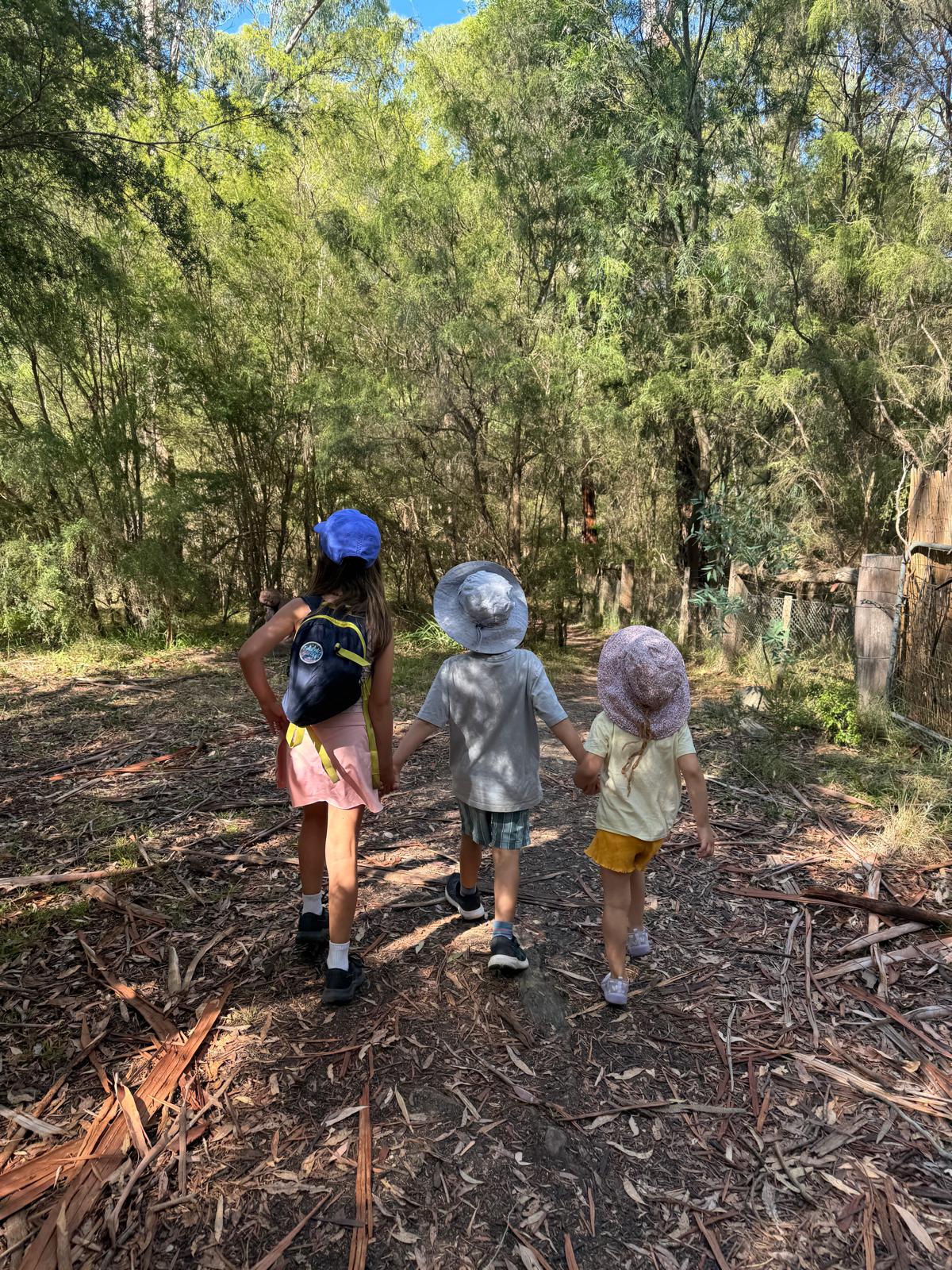





One of the top questions I get from people who find out we homeschool is: “What about socialisation?” It seems to follow us everywhere.
When we first started homeschooling, I found myself defending our choice as if I needed to convince the other person of its merits. These days, after living a homeschool life and witnessing endless opportunities for connection, I smile. I let them know that it’s because we homeschool that we have so many opportunities to socialise. Classes, co-ops, excursions, bike rides, meetups, playground sessions, markets—the list goes on. My enthusiasm is usually met with laughter, a smile, and a little relief on their side.
I understand the question, and for the most part, I believe it comes from a place of genuine care. Before we started homeschooling, I had no idea about all the classes, meetups, online workshops, excursions, or co-ops that exist. If school is the only model someone has ever known, of course they’ll feel uncertain about how that need is being met outside of it. This is exactly why I love sharing our experience. I enjoy opening people’s eyes to the possibility of education beyond the four walls of a school. And more than that, education beyond the four walls of our own home.
Rethinking What Socialisation Really Means
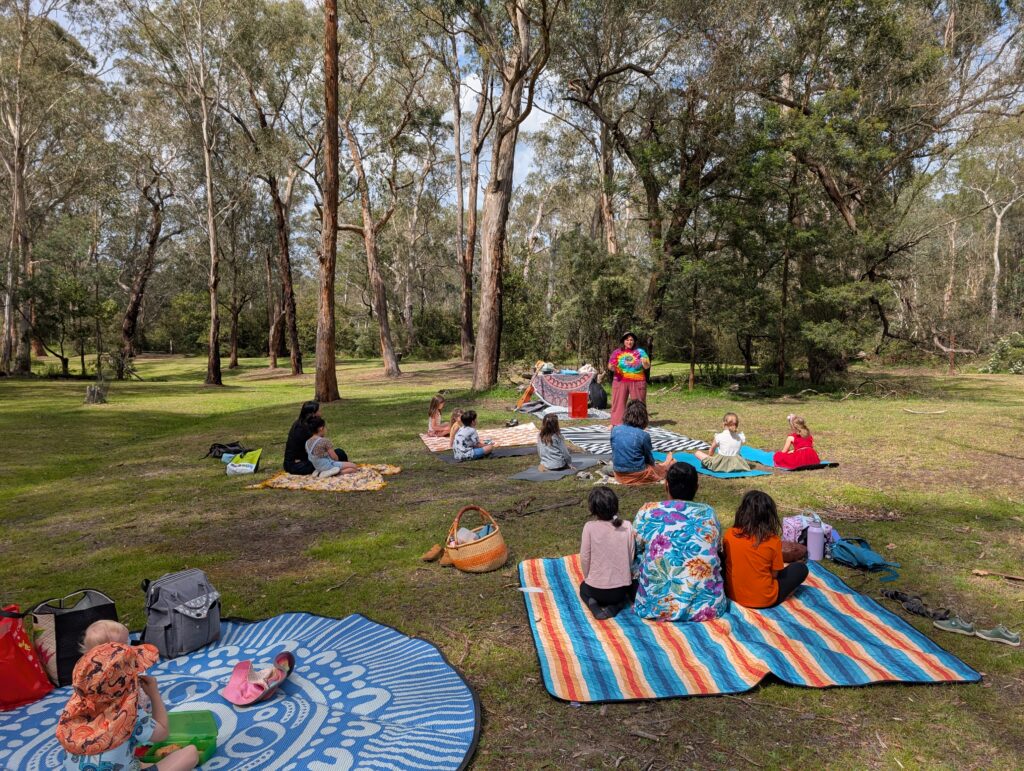
The beauty of homeschooling is that you get to design your days around what your family actually needs. Your children mix with kids across different age groups—older ones naturally stepping up, younger ones learning from watching. It’s a far more honest reflection of real life than a single-age classroom ever offers. Because real socialisation isn’t about proximity. It’s about connection. Thirty kids in a room doesn’t mean any of them are truly seen, heard, or learning how to genuinely relate to one another.
If we expand our thinking and move from homeschooling to lifeschooling—where life itself is the curriculum and learning happens through living—then the same naturally applies to socialisation. Children are always interacting with the world. A lifeschooling environment is one you can shape and tailor to create the most enriching space for your child to learn, grow, and connect with others.
What Homeschool Socialisation Actually Looks Like Day to Day
Week to week, my kids are building real relationships—with other children, yes, but also with coaches, librarians, teachers, café owners, neighbours, and families who make up our wider community. People of all ages, in all kinds of places.
Our weekly sports class is a lovely glimpse of this. Each child has their session, then everyone finds their way to the park together—different ages, no agenda, just kids doing what kids do best. They eat lunch, they run, they figure each other out. There’s no bell to cut it short.
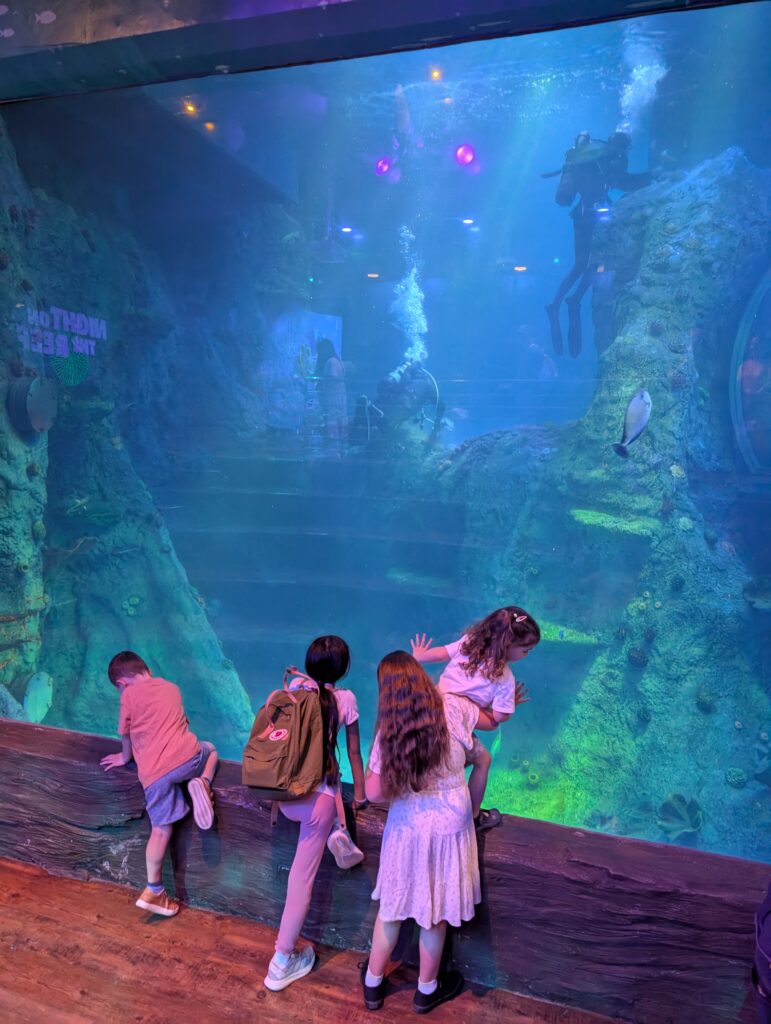
My girls experience a lot of variety when it comes to homeschooling and socialisation. There are classes, learning pods, regular meetups with family and friends, markets, and excursions that bring them into new environments. Bill and I also run a monthly family nature group on weekends. We choose a new trail to explore together, and it’s open to everyone, not just homeschooling families. I absolutely love this part of our rhythm!
I’ve found that the beauty of this life is that you can add or remove elements whenever something isn’t serving your family. Move with your kids. Experiment. Create a rhythm that flows with your values. If connection is at the top of your list, there are more ways to weave it into your days than you might imagine.
The Most Common Homeschool Socialisation Myths—and the Reality
Myth: Homeschool kids are isolated. Reality: they often experience more varied, meaningful contact with people across all age groups. Homeschool kids spend extended periods of time connecting not just with children their own age, but with other parents, grandparents, and community members. There is a wide variety of meet-ups, classes, and co-ops available. Even online, if you can’t get to these in person.
Myth: School friendships are irreplaceable. Reality: deep friendships form in many contexts—what matters is consistency and trust. There’s no reason to believe that homeschooled children can’t form the same meaningful, lasting friendships. I’ve watched beautiful friendships blossom with my girls over the years, given the extended, unhurried time we have with the people in our lives. And it’s not just the kids! Some of my most treasured friendships today are with other beautiful homeschooling parents on the same journey. Proximity, shared values, and time spent together week after week—it makes all the difference.
Myth: You need a classroom to learn social skills. Reality: real life teaches negotiation, conflict resolution, kindness, and empathy better than most classrooms ever could. My four-year-old has been ordering food and chatting with café staff since she was two. We are out in the world every day, learning together, engaging with all kinds of people in all kinds of situations. These are real-world social experiences that can’t be replicated within the walls of a school to the same extent—and that, honestly, is one of the greatest gifts of this experience.
The Heart of It
- Homeschooled children often have more varied and meaningful social contact than their school-going peers—across ages, environments, and communities.
- Real socialisation is built on connection, trust, and time. Not the number of children in a room.
- Lifeschooling naturally weaves socialisation into every part of your day, because life itself is the classroom.
- The homeschooling community is rich with opportunity—classes, co-ops, nature groups, learning pods—you simply have to step into it.
- You can design a week that truly reflects your family’s values, and connection can be at the heart of all of it.
Homeschooling isn’t a retreat from the world. It’s a deeper, more intentional way of stepping into it, together. Our children aren’t preparing for life. They’re already living it.
If beneath the socialisation question sits a deeper one—am I even capable of this?—I explore what it really means to be qualified to homeschool here.
Ready for a clear place to start?
I’ve put everything I wish someone had handed me at the beginning into a free guide: 5 Simple Steps to Start Homeschooling. It walks you through your first moves with clarity, confidence and calm—no jargon, no overwhelm, just a grounded path forward.


+ show Comments
- Hide Comments
add a comment