

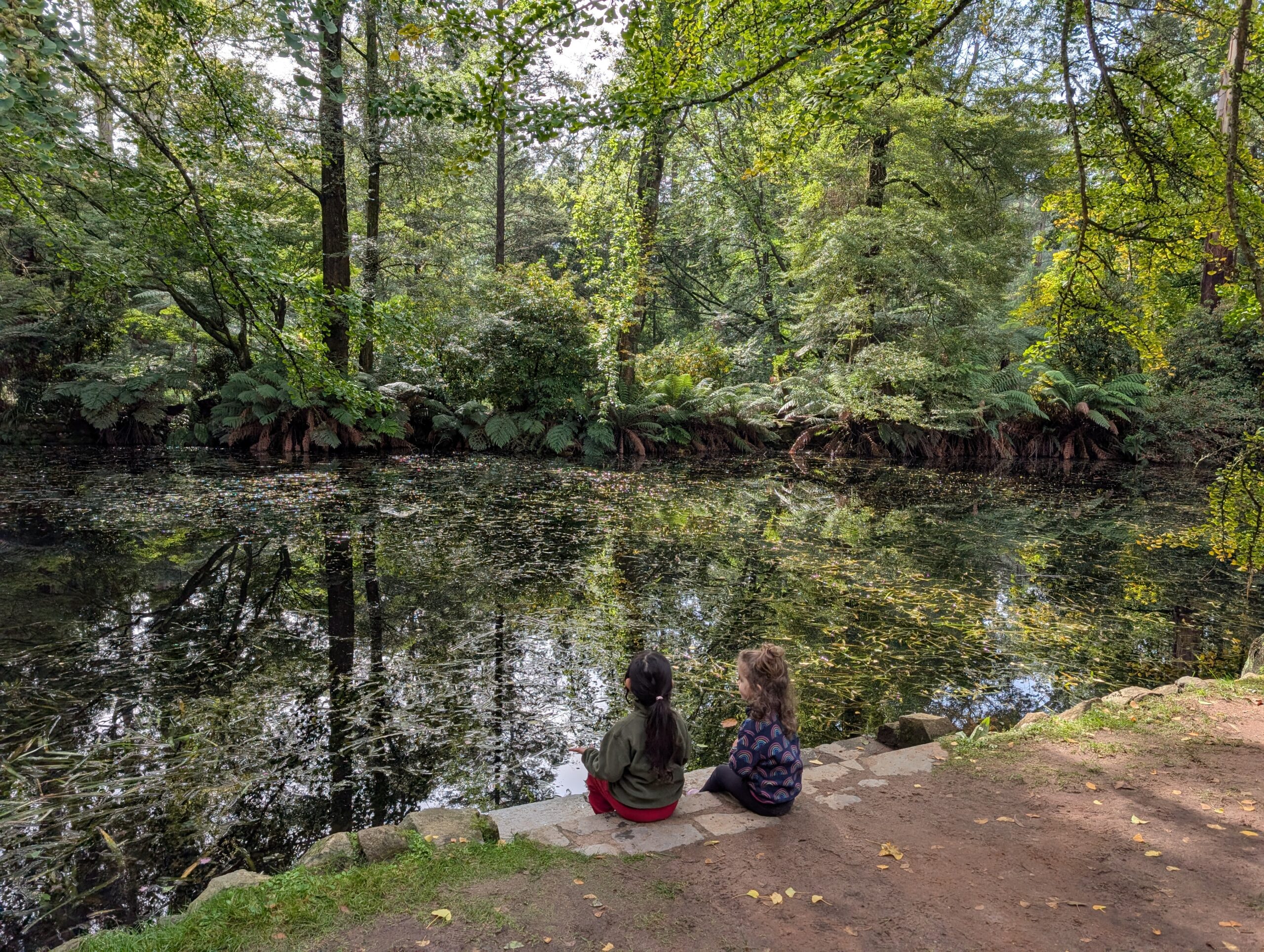





When my husband was eighteen, he walked into a support group for the first time and was told to “look for the similarities, not the differences” with the people in the room.
He told me about it years later, and for some reason, it stuck. It became a kind of GPS for how I connect with people.
Now, more than ever, I feel that pull. In a world constantly trying to divide us—by our ethnicity, beliefs, and political “sides”—I’m reminded that we can still disagree with respect. The real work is to look for common ground: the things that align and empower us, rather than those that separate and isolate.
Teaching My Kids to Hold Space for Different Beliefs
When it comes to different beliefs, I have had many chats with my eight-year-old around this topic. You will hear me say weekly at a homeschool meet-up: “I know it’s hard, but it’s okay for so-and-so to believe this, even if you believe that. It’s their choice and we need to respect that. Sometimes we agree to disagree and focus on what we can control instead.”
I don’t think we do that enough as adults, so I don’t blame my young one for struggling with the concept. I put effort into it because I want her to grow up with the ability to hold space for other people’s beliefs, even when they are the complete opposite of her own. The more we welcome the expression of another human that differs from our own, the more we allow that collective humanity to exist. We thrive because of that space—because of that choice to rise above the differences and meet on the level of shared humanity instead.
You Can Disagree and Still Be Kind
I am forever practising how to communicate with others on topics we may not agree on. It is my wish that we can continue to do this without phrases like “hate speech” and “being cancelled” thrown into the mix. If I don’t want to be demonised for the choices I make in my life, why would I act that way towards others who live their lives differently? You can have a healthy conversation and debate without negatively attacking someone who holds a different opinion.
What Nonviolent Communication Taught Me About Disagreement
For a year, I studied Marshall Rosenberg’s work on Nonviolent Communication, and it gave language to something I’d been fumbling toward for years. His whole premise is this: underneath every opinion, every reaction, even every harsh word, there is a need—a human need we all share. To be safe. To be heard. To belong. To matter. When someone says something that lands like an attack, they’re rarely attacking. They’re usually protecting something they care about.
Rosenberg used to describe two ways of speaking. One he called “jackal”—the language of blame, labels, and demands. The other he called “giraffe,” named for the land animal with the largest heart, the language of honesty and empathy. I think about that often. When I catch myself bristling at someone’s view, I try to ask the giraffe question instead of the jackal one: not “how is this person wrong,” but “what does this person need that’s driving them to feel this way?”
That single shift changes everything. Suddenly, I’m not defending my position against theirs. We’re two humans standing on the common ground of our shared needs—simply living them out differently.
My kids love learning about feelings and needs this way, too. There are some phenomenal resources out there for teaching children Nonviolent Communication, the Rosenberg way.
This is why I truly welcome these chats and healthy debates. I enjoy working out the needs and values behind someone’s existence—what drives them to get out of bed each day and live the life they have chosen to live. Or not live, for that matter.
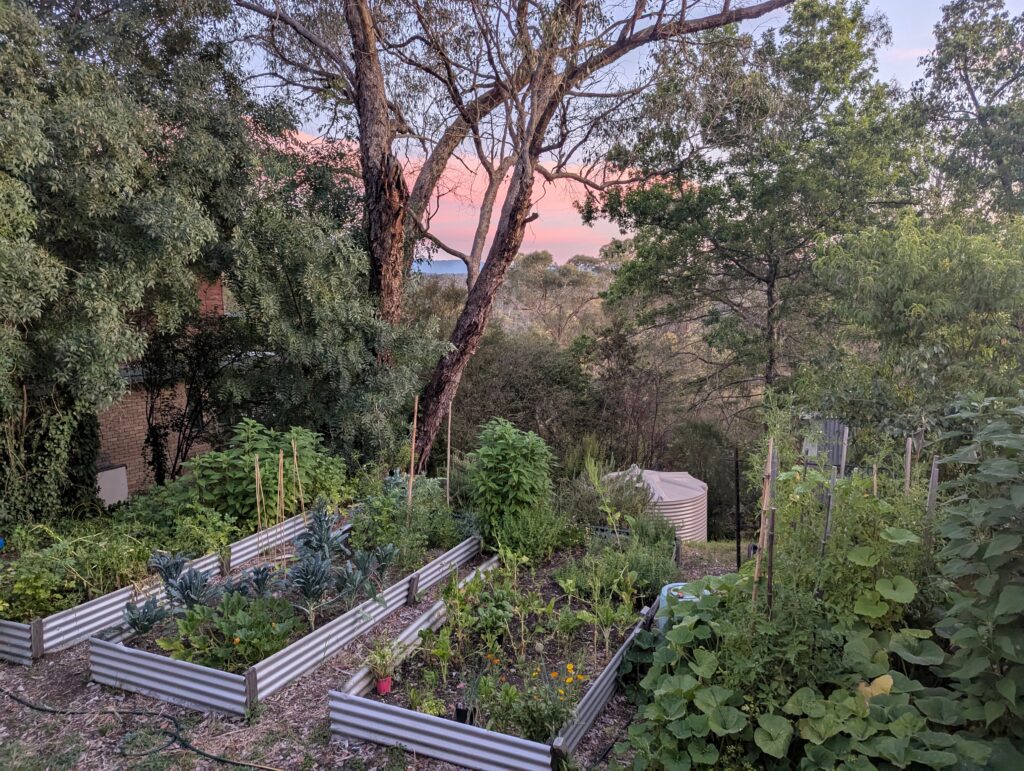
The Conversations That Happen Between Our Veggie Patches
I think of my neighbour. Some of my favourite conversations have happened standing between our veggie patches, the afternoon slipping away without either of us noticing the hours pass. Sometimes we land in the same place. Other times we hold opposite views—and somehow those are the ones I treasure most. There’s no winning or losing in them. Just two people, grounded in love and respect, genuinely curious about how the other sees the world. There is also a freedom that comes with open dialogue and one’s ability to show up authentically in those moments. Every time, we thank each other for the chat and walk back to our homes lighter than when we arrived. That, to me, is what all of this is about. Not agreement. Connection.
Respect Has to Come First
I have always believed that as long as someone isn’t hurting another person or themselves, how they live their life is their choice. I’m free to homeschool my kids; you’re free to put yours in a mainstream school. I choose to eat a plant-based diet; you choose to eat however suits you—that’s your choice, and it’s your God-given right to make it. We are also allowed to talk about these differences and why something resonates with us.
We need more conversations in this world where respect is at the forefront. Because only where there is respect for the other can a healthy conversation—or a healthy debate—truly happen.
For humanity to collectively evolve and shift, we have to have this notion at the forefront of every conversation we have.


+ show Comments
- Hide Comments
add a comment